The NOVA classification system for food is a framework developed by researchers to categorize and analyze foods based on the extent and purpose of their processing. It was created by researchers at the Center for Epidemiological Studies in Health and Nutrition at the University of São Paulo, Brazil, and it has been widely used in nutrition research and policy discussions. The NOVA system classifies foods into four main groups:
Group 1: Unprocessed or Minimally Processed Foods
- These are foods in their natural or near-natural state.
- They undergo little or no processing before consumption.
- Examples include fresh fruits and vegetables, nuts, seeds, and fresh meats.
Group 2: Processed Culinary Ingredients
- This group includes substances extracted from Group 1 foods or nature.
- They are used in kitchens to prepare and cook foods.
- Examples include oils, fats, sugar, salt, and vinegar.
Group 3: Processed Foods
- These foods have undergone some processing but still contain recognizable whole food ingredients.
- Processing methods may include cooking, milling, and pasteurization.
- Examples include canned vegetables, cheese, and bread.
Group 4: Ultra-Processed Food and Drink Products
- These are highly processed foods that often contain little to no whole food ingredients.
- They are typically formulated with additives, preservatives, and artificial flavors.
- Examples include sugary drinks, packaged snacks, and ready-to-eat meals.
Studies and Research
The NOVA classification system is used primarily to assess the nutritional quality and health impact of different food products. It is often employed in studies examining the relationship between food processing and various health outcomes, including obesity, diabetes, and cardiovascular disease. Researchers use this system to analyze dietary patterns and assess the prevalence of ultra-processed foods in diets, as these highly processed products have been associated with negative health effects.
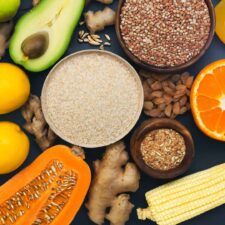
The NOVA classification system has contributed to discussions about the role of food processing in the global food system and its implications for public health. It underscores the importance of consuming more unprocessed or minimally processed foods and reducing the consumption of highly processed, ultra-processed products.
How can we determine which group a food belongs to?
Determining which group a food belongs to in the NOVA classification system can often be done by considering the degree of processing and the presence of additives and artificial ingredients. Here are some general guidelines to help you determine which group a food falls into:
Group 1: Unprocessed or Minimally Processed Foods:
- These foods are typically whole and close to their natural state.
- They are often found in the produce section of the grocery store.
- Examples include fresh fruits, vegetables, whole grains, nuts, seeds, and fresh meats.
- Look for foods that have undergone minimal cooking or processing.
Group 2: Processed Culinary Ingredients:
- These are typically single-ingredient items used for cooking and seasoning.
- They are often found in the pantry or spice aisle.
- Examples include oils, fats, sugar, salt, spices, and vinegar.
- These ingredients are used to prepare and flavor foods.
Group 3: Processed Foods:
- These foods contain recognizable whole food ingredients but have undergone some processing.
- They are often found in the middle aisles of the grocery store.
- Examples include canned vegetables, whole-grain bread, cheese, and minimally processed dairy products.
- Look for foods with simple ingredient lists and minimal additives.
Group 4: Ultra-Processed Food and Drink Products:
- These foods are typically packaged and heavily processed.
- They often contain a long list of ingredients, including additives, preservatives, and artificial flavors.
- Examples include sugary drinks, packaged snacks (chips, candies), fast food items, and most ready-to-eat meals.
- Be cautious of foods with complex ingredient lists and artificial additives.
Final Tips for Staying All Natural!
Reading the food label and ingredient list is an effective way to determine which NOVA group a food product belongs to. The ingredient list provides valuable information about the composition of the food and can help you identify highly processed foods with many additives.
Keep in mind that while these guidelines are generally helpful, there may be some borderline cases or regional variations in food processing practices. Additionally, the level of processing can vary within a food category, so it’s essential to consider the specific product and its ingredient list when making classifications.
Updated September 7, 2023
Nature.com Study on the NOVA Classification System
Although the NOVA system seems simple, it can be described as subjective in nature. To better understand the system and potential faults, please take a moment to check out this article from Nature.com.